Classroom to Virtual Studio
The shift in music education has been profound and multifaceted, reflecting broader changes in technology and society.
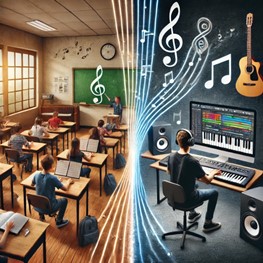
Traditional music classrooms, once the cornerstone of learning, have gradually expanded beyond their physical confines to incorporate digital realms, thereby diving birth to Online music lessons and the need for its incorporation in our way of music education.
This transformation was catalysed by necessity but has since evolved into a diverse ecosystem of virtual studios, each offering unique approaches to musical instruction. In Music education – teachers/Gurus used simple tools like Manual writing, personalised face to face tutelage etc. and later started incorporating basic digital tools into their curriculum such as metronomes, tuners etc.However the advent of sophisticated software now allows for a more immersive experience , such as virtual reality (VR) environments where students can practice stage presence, get more interactive study materials and access to world class materials by international artists, workshops etc.Online platforms have democratised music education, making it accessible to students in remote locations or with mobility issues. For example a student in a remote rural area can receive lessons from a renowned pianist from a different country.
Online music schools/ platforms offer progress monitoring, customised lessons and practice schedules , allowing students to learn at their own pace- making music classes online a more appealing and coveted means of music education.
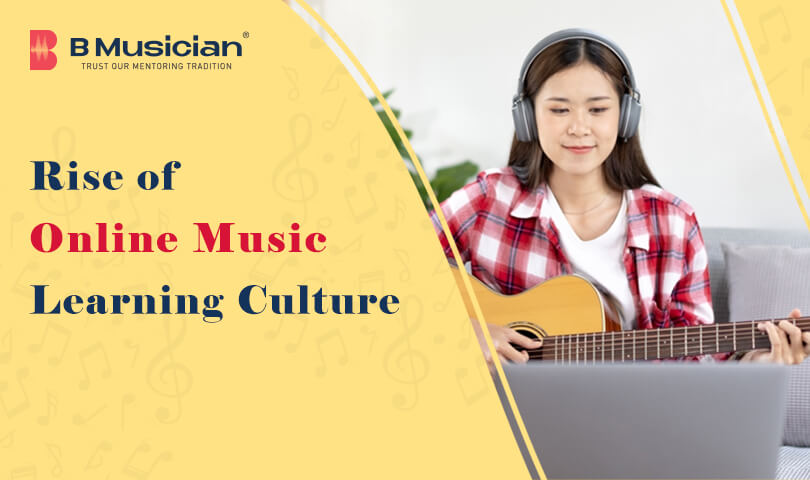
History and Rise of Online Music Learning as a Culture
Online music learning has evolved dramatically over the years, thanks to advancements in technology, changing learning preferences, and the expansion of internet access. Below is a detailed timeline outlining key developments in this journey.
1. Early Stages (Pre-2000s)
- Overview: Music learning was traditionally done in physical settings—through private tutors, music schools, or informal settings like homes and community spaces.
- Learning Mode: Students met in person with instructors, practicing and getting feedback face-to-face.
- Technology Influence: Limited; mostly sheet music, audio cassettes, CDs, and DVDs were used for self-paced learning.
- Challenges: Limited access to quality instructors (especially in rural areas), high cost of lessons, and lack of flexibility in scheduling.
2. Rise of the Internet (1990s – Early 2000s)
- Overview: The introduction of the internet revolutionised how information was shared, including music education. In the early stages, online forums and websites like Harmony Central allowed musicians to exchange tips.
- Learning Mode: Primarily text-based tutorials, downloadable sheet music, and MP3 files. Websites like Ultimate Guitar became popular for tablature sharing.
- Technology Influence: Basic multimedia features such as downloadable audio clips were used.
- Challenges: Lack of real-time interaction between teacher and student, low quality or unverified learning materials, limited interactivity.
3. YouTube Revolution (Mid-2000s – 2010s)
- Overview: YouTube became a game-changer in music learning. With its vast collection of instructional videos and tutorials, it democratised access to musical instruction from professionals and hobbyists alike.
- Learning Mode: Video tutorials from both amateur and professional musicians. Many teachers offered free lessons or paid courses on platforms like Udemy, BYJU White-hat etc.
- Technology Influence: Streaming video platforms, better bandwidth enabling faster content delivery, and mobile access.
- Challenges: The abundance of content led to issues of quality control. Lack of direct feedback from teachers and limited structured courses remained challenges.
4. Interactive Learning Platforms (2010s – Present)
- Overview: Platforms like Yousician, Music2Me, and Fender Play started offering structured, interactive online music learning, blending self-paced learning with real-time feedback using app interfaces and AI.
- Learning Mode: Gamified learning apps, interactive sheet music, personalised progress tracking, live classes via Zoom or Skype.
- Challenges: High subscription fees for premium content, varying levels of instructor-student interaction depending on the platform.
- Challenges: The abundance of content led to issues of quality control. Lack of direct feedback from teachers and limited structured courses remained challenges.
5. COVID-19 Pandemic (2020 – Accelerated Growth)
- Overview: The COVID-19 pandemic dramatically accelerated the adoption of online music learning. Physical distancing measures led to a surge in demand for online lessons, and many traditional music schools transitioned to digital platforms.
- Learning Mode: Explosion of live-streamed lessons, Zoom or Skype lessons with personalised feedback, and app-based self-learning.
- Technology Influence: Widespread adoption of video conferencing tools, more sophisticated mobile apps, and integration of cloud technology.
- Challenges: Limited access to high-speed internet in certain areas, occasional technical difficulties, and lack of in-person interaction for fine-tuning skills.
| Era | Main mode of learning | Key platforms/ Technologies | Advantages | Challenges |
|---|---|---|---|---|
| Pre- 2000s | Physical tutoring, Music schools | Sheet music, cassettes, CDs | Personal interaction, in-depth guidance | Expensive, time consuming, limited access. |
| 1990s- early 2000s | Online forums, Downloadable content | Websites like Harmony Central, MP3 | Broader access to music resources, global connection | No real-time interaction, inconsistent quality of materials. |
| Mid 2000s-2010s | YouTube tutorials | YouTube, Ultimate Guitar, Udemy, BYJU White-hat | Free or low cost tutorials, global community | Lack of personalised feedback, no structured curriculum |
| 2010s- present | Interactive platforms, gamified approach of learning | Yousician, Fender Play, Music2me | Structured interactive progress tracking systems | Subscription costs, Technological limitations |
| 2020- present (pandemic) | Virtual classes, live streaming, apps etc. | Zoom, Skype, cloud-based platforms | Global access, affordable, high flexibility | Tech issues, Occasional lack of personal interaction |
Key Influences on the Rise of Online Music Learning
1. Technology Innovations:
- Faster internet, affordable smartphones, and the development of music-specific apps revolutionised how music is taught and learned.
2. Accessibility:
- Online platforms opened up music education to individuals worldwide, overcoming barriers of geography, cost, and time.
3. Content Variety:
- Learners could choose from thousands of styles, techniques, and instructors, whereas traditional learning often had limitations based on location and instructor expertise.
4. COVID-19 Impact:
Benefits of Online Music Learning:
1. Flexibility and Convenience:
- Learn at your own pace and schedule, anytime, anywhere.
- Access lessons on-demand from home or on the go.
2. Cost-Effective:
- Generally more affordable than traditional in-person lessons.
- Access to free or low-cost content through platforms like YouTube or apps.
3. Global Access to Expert Instructors:
- Learn from renowned musicians and educators around the world.
- Access to specialized training that may not be available locally.
4. Variety of Learning Resources:
- Access to a wide range of lessons, styles, and instruments.
- Choose from videos, sheet music, interactive apps, and real-time feedback tools.
5. Personalised Learning Paths:
- Many platforms offer customised courses based on skill level and goals.
- AI-driven platforms like Yousician provide real-time feedback for improvement.
6. Self-Paced Learning:
- Take time to revisit lessons and practice difficult parts until you master them.
- No pressure to keep up with others in a group setting.
7. Gamification and Motivation:
- Platforms often use gamified learning, progress tracking, and achievements to make learning fun and engaging.
8. Community and Peer Support:
- Participate in online forums, workshops, and peer-to-peer interactions for additional support and motivation.
9. Access to a Variety of Genres and Styles:
- Learn everything from classical to contemporary, jazz, rock, or Indian classical, with diverse course options.
10. Recording and Reviewing Progress:
- Easily record practice sessions and track improvement over time with apps that provide analytics.
- Online music classes offers a blend of flexibility, affordability, and personalised instruction, making it accessible to a wider range of learners.
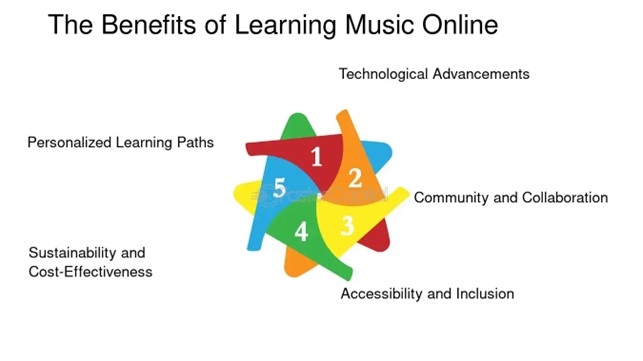
| Aspect | Benefits of Learning Music Online | Rise of Online Music Culture |
|---|---|---|
| Accessibility | Learn from global teachers and resources, regardless of location. | Music lovers can explore global music and artists instantly. |
| Flexibility | Self-paced learning with flexible schedules. | Musicians can release music and collaborate across time zones. |
| Cost-Effectiveness | More affordable than traditional lessons, often with tiered pricing. | Free or low-cost streaming platforms provide unlimited music. |
| Global Collaboration | Connect and collaborate with teachers and peers worldwide. | Rise of virtual music collaborations between global artists. |
| Technological Integration | Use of apps, tools, and platforms for enhanced learning experiences. | Digital music production and virtual concerts are increasingly popular. |
Prominent online Platforms and Apps used in Online Music Lessons
| Music School | Location | Speciality |
|---|---|---|
| Shankar Mahadevan Academy | Mumbai, Maharashtra | Hindustani classical, Carnatic music, Bollywood music |
| SAAZ (Swar Aalap Academy) | Pune, Maharashtra | Hindustani classical vocals and instruments |
| Tanseen Academy of Music | New Delhi, Gurgaon | Hindustani classical, Bollywood music |
| Calcutta School of Music | Kolkata, West Bengal | Western classical, Indian classical, jazz |
| KM Conservatory of Music | Chennai, Tamil Nadu | Western classical, Indian classical, sound design, electronic music |
Prominent Music Schools offering online classes post Pandemic
| Platform/App | Instruments | Speciality |
|---|---|---|
| Bmusician | Vocal, Guitar, Violin, Flute, Mridangam, Tabala, Dance, Keyboard, Kanjira, Gate, Saxophone, Konnakol, etc. | Platform provides tailored student-specific courses and curriculum, with real-time evaluation and progress tracking. Bmusician offers live one-on-one classes from top musicians worldwide and specializes in providing international certification and accreditation. Live concert opportunities and stage experience are also available. |
| Yousician | Guitar, bass, ukulele, piano, singing | Gamified lessons, real-time feedback |
| Fender Play | Bass, Ukulele | Song-based learning, beginner-friendly |
| MasterClass (Music) | Various (Vocals, instruments, composition) | Lessons from world-famous musicians |
| Udemy | Various (Guitar, Piano, Theory, production) | Wide variety of courses |
| Simply Piano | Piano | Real-time feedback, beginner-friendly |
| Coursera (Berklee) | Theory, Production, composition | University-level music courses |
| Music2Me | Guitar, Piano | Structured lessons for beginners and intermediate players |
| Playground Sessions | Piano | Gamified piano lessons with Quincy Jones collaboration |
Future Outlook
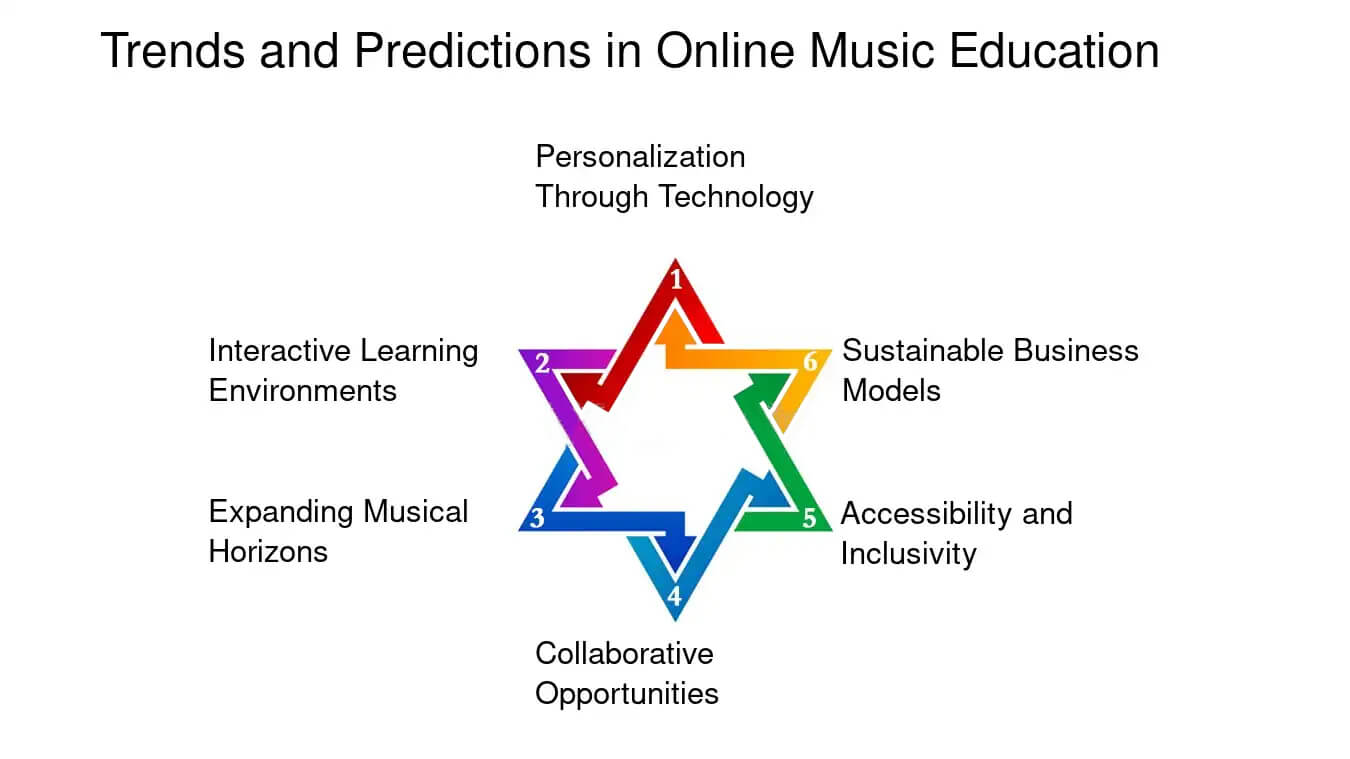
As technology continues to evolve, the integration of AI, machine learning, and virtual/augmented reality may further refine the personalised music learning experience, making it even more accessible and effective. Online platforms might also explore more immersive experiences, such as virtual jam sessions or AI-driven real-time feedback etc.